Oil & Gas Environmental Solutions
Restore the Land. Support Natural Recovery. Build for the Future.
Oil and gas operations can place tremendous stress on soil, vegetation, water movement, and the biological systems that support healthy land.
From active drilling sites and pipeline corridors to reclaimed well pads and areas affected by spills or soil disturbance, successful restoration requires more than simply covering damaged ground and planting seed.
Environotics helps support the biological recovery of disturbed and impacted environments by improving the conditions needed for soil health, vegetation establishment, water management, and long-term ecological stability.
Our approach focuses on helping the land function again.
Soil Restoration | Reclamation Support | Spill-Site Recovery | Erosion & Runoff | Vegetation Establishment
Environmental Challenges in Oil & Gas Operations
Oil and gas sites present a unique combination of environmental challenges.
Land may experience compaction, soil disturbance, vegetation loss, contamination, erosion, altered drainage, and reduced biological activity. Even after traditional cleanup or reclamation work has been completed, establishing healthy vegetation and rebuilding productive soil can remain difficult.
Environotics solutions may be used as part of a broader remediation and reclamation strategy to help address challenges such as:
Hydrocarbon-Impacted Soil
Oil and petroleum-related contamination can disrupt normal soil biology and create conditions where plants struggle to establish.
Disturbed & Compacted Soil
Heavy equipment, construction traffic, excavation, and repeated site activity can compact soils and reduce water infiltration, root development, and biological activity.
Poor Vegetation Establishment
Reseeding alone does not always produce successful reclamation when the underlying soil is biologically depleted or physically compromised.
Erosion & Runoff
Disturbed sites may experience increased runoff, sediment movement, erosion, and loss of valuable topsoil.
Pipeline & Right-of-Way Restoration
Pipeline construction can significantly disturb soil structure and established vegetation across long corridors of land.
Well Pad Reclamation
Former well pads often require substantial soil rehabilitation before vegetation can successfully reestablish.
Spill Site Recovery
Following containment and cleanup, the affected land may still require biological and soil rehabilitation to support long-term recovery.
Long-Term Soil Health
A site may appear reclaimed while still lacking the biological diversity and soil function necessary for lasting stability.
DISTURBED LAND → BIOLOGICAL RECOVERY → HEALTHY SOIL → ESTABLISHED VEGETATION
A Different Approach to Land Restoration
We don’t replace required remediation. We help support what comes next
Restoration Begins Below the Surface
Traditional remediation often focuses on removing contaminants, meeting regulatory requirements, replacing soil, grading the site, and reseeding.
Those steps can be essential.
But the restoration process should not stop there.
Healthy land depends on an active relationship between:
Soil biology
Organic matter
Plant roots
Water
Minerals
Microorganisms
Nutrient cycling
Soil structure
Environotics focuses on helping rebuild the biological environment that allows these systems to begin working together again.
Instead of viewing soil as simply something that holds plants upright, we view healthy soil as a living ecosystem.
From Disturbed Ground to Living Soil
Supporting the Natural Recovery Process
Every remediation or reclamation project is different, but successful land recovery generally requires several interconnected processes.
1. Assess the Site
Understanding what happened to the land is the first step.
Conditions may include:
- Hydrocarbon exposure
- Soil compaction
- Topsoil loss
- Low organic matter
- Poor drainage
- Excess runoff
- Limited microbial activity
- Vegetation failure
- Erosion
The right restoration strategy should reflect the actual conditions present on the site.
2. Improve the Soil Environment
Damaged land frequently lacks the biological activity necessary to efficiently cycle nutrients and support plant growth.
Environotics solutions are designed to help create better conditions for biological activity and natural soil processes.
3. Support Vegetation Establishment
Vegetation is one of the most visible signs of successful reclamation.
But plants are only part of the system.
Healthy root systems help:
- Stabilize soil
- Reduce erosion
- Improve water infiltration
- Add organic material
- Support microorganisms
- Rebuild soil structure
Improving the soil environment can help create better conditions for successful vegetation establishment.
4. Encourage Long-Term Recovery
The goal should not simply be to make disturbed land look green again.
The goal is to help create a functioning landscape capable of continuing its own biological recovery.
Oil & Gas Applications
Solutions for Multiple Stages of Operations and Reclamation
Environotics products and methods may be incorporated into environmental management strategies for a variety of oil and gas applications.
Oil Spill & Hydrocarbon Site Recovery
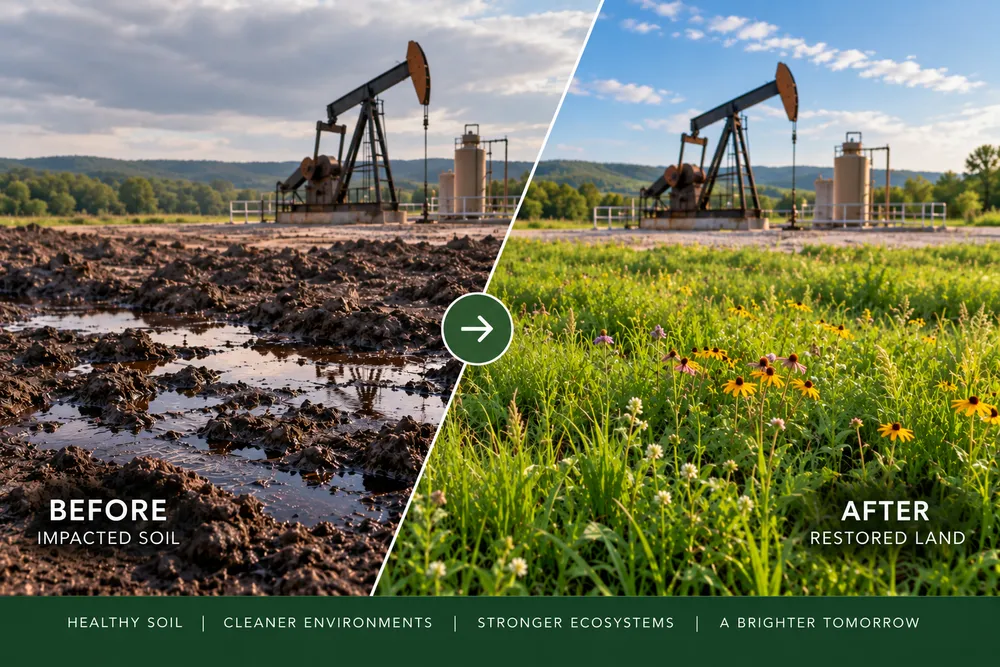
Following spill containment and cleanup, biological restoration may be needed to help impacted soil recover.
Environotics solutions may be incorporated into remediation strategies designed to support healthy soil conditions and vegetation recovery.
Pipeline Right-of-Way Restoration
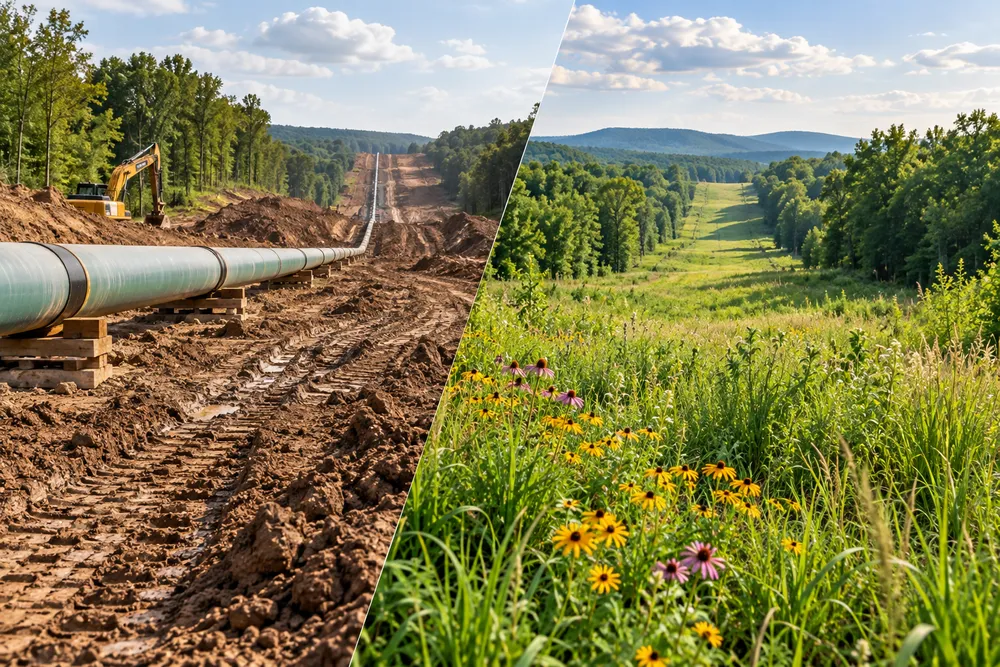
Pipeline installation can disturb miles of established soil and vegetation.
After construction, successful reclamation depends on rebuilding conditions that support plant growth, soil stability, and natural water movement.
Potential applications include:
- Soil rehabilitation
- Revegetation support
- Erosion reduction
- Runoff management
- Right-of-way stabilization
Well Pad Reclamation
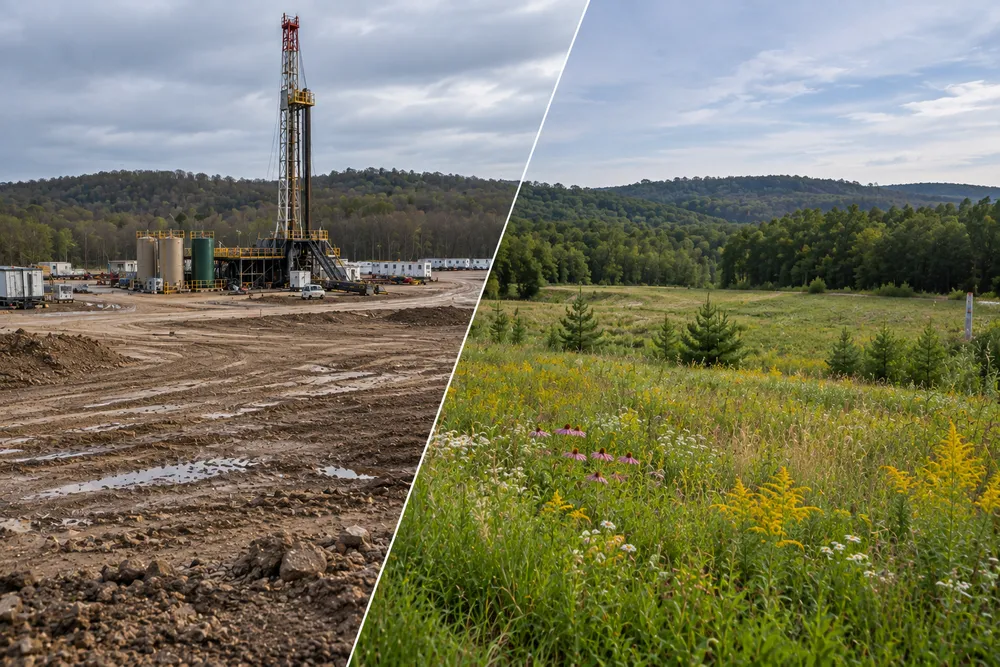
Heavy equipment, grading, excavation, and long-term operations can dramatically change the physical and biological characteristics of a well pad.
Environotics solutions may support reclamation efforts by helping improve conditions for:
- Root development
- Biological activity
- Moisture management
- Vegetation establishment
- Long-term soil recovery
Produced Water & Salt-Affected Areas
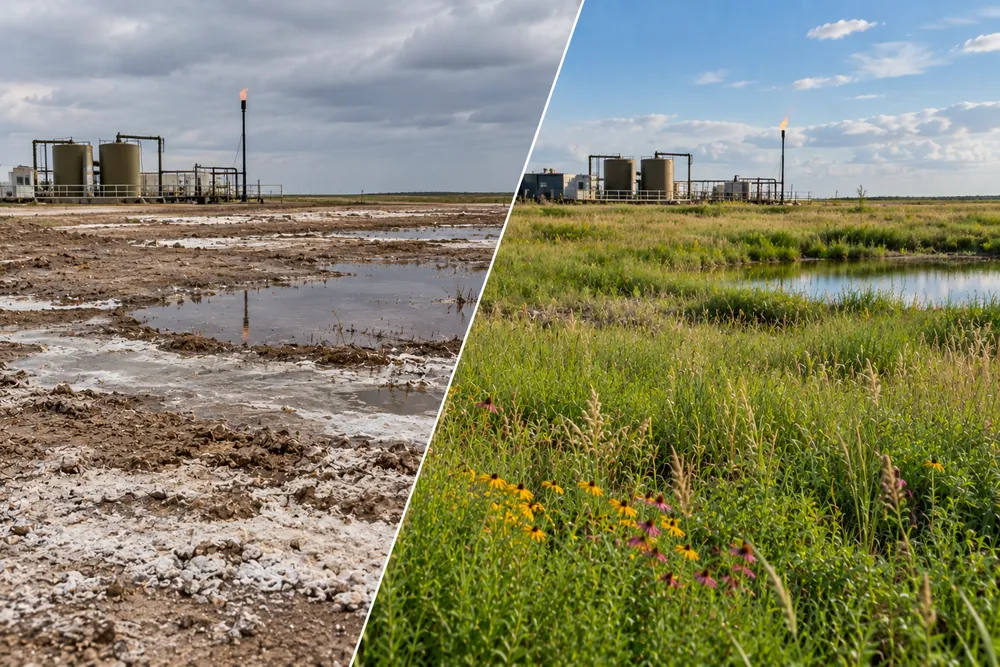
Areas affected by saline or highly mineralized water can present substantial reclamation challenges.
Depending on site conditions, restoration strategies may need to address soil structure, biological activity, vegetation establishment, and water movement.
Each site should be evaluated individually before a treatment strategy is developed.
Erosion & Runoff Management
Disturbed soil is particularly vulnerable to erosion.
By supporting vegetation development and healthier soil structure, reclamation programs can improve the site’s ability to withstand rainfall and reduce soil movement.

Construction & Access Road Disturbance
Temporary roads, staging areas, equipment yards, and construction zones can remain compacted long after work is complete.
Restoration strategies may help rebuild soil structure and support vegetation recovery once those areas are no longer needed.
Why Soil Biology Matters
Healthy soil contains an enormous community of living organisms.
Bacteria, fungi, protozoa, nematodes, insects, plant roots, and other organisms interact in complex biological systems that help make nutrients available to plants and build stable soil structure.
When soil is severely disturbed, those relationships can break down.
This can contribute to:
Weak vegetation
Poor water infiltration
Nutrient deficiencies
Increased erosion
Surface crusting
Compaction
Reduced organic matter
Slow reclamation
Restoring biological function helps create the foundation for long-term land recovery.
More Than Reclamation
Building Resilient Landscapes
There is a difference between completing a reclamation project and creating a landscape that continues improving after the project is finished.
Environotics focuses on the second.
Our philosophy is based on supporting natural systems so that the land can gradually regain:
Better Soil Structure
Healthy biological activity contributes to soil aggregation and improved pore space.
Improved Water Movement
Healthy soil can accept, distribute, and retain water more effectively.
Stronger Root Development
Better soil conditions allow plants to develop more extensive root systems.
Greater Biological Activity
A functioning soil ecosystem helps cycle nutrients and organic matter.
Improved Vegetation
Healthy soil creates better conditions for sustainable plant growth.
Long-Term Stability
Vegetation, soil structure, and biological activity work together to help reduce erosion and improve site resilience.
Every Site Is Different
There is no universal solution for environmental restoration.
Soil type, climate, contamination history, rainfall, vegetation, land use, topography, and previous remediation efforts can all influence the outcome.
That is why Environotics believes in evaluating the conditions of the site before developing a restoration strategy.
Our team can work with:
- Oil and gas operators
- Environmental consultants
- Remediation contractors
- Landowners
- Reclamation specialists
- Engineering firms
- Pipeline operators
- Agricultural landowners
- Government agencies
to help identify an appropriate approach.
Environmental Restoration Is a Process
A disturbed site may have taken years—or decades—to reach its current condition.
Recovery can also take time.
Environotics focuses on creating conditions that help natural systems begin functioning again.
That process may include:
Assess → Restore → Establish → Monitor → Improve
The objective is not simply short-term appearance.
It is long-term environmental function.
Oil & Gas Projects
See Environmental Restoration in Action
Real-world projects provide some of the best examples of how restoration strategies can be adapted to different environments.
Our Projects section highlights applications, observations, photographs, and results from environmental work in the field.
Project categories may include:
- Oil spill remediation
- Pipeline restoration
- Well pad reclamation
- Soil rehabilitation
- Erosion control
- Vegetation recovery
- Environmental restoration
Frequently Asked Questions
Can Environotics clean up an oil spill?
Oil spill response typically involves multiple stages, including containment, removal, remediation, and restoration.
Environotics solutions are intended to support environmental and biological recovery as part of an appropriate site-specific remediation strategy. Regulatory requirements and professional environmental assessments should always be followed.
Can these products be used after contaminated soil has been removed?
Potentially, yes.
Once required remediation or contaminated-material removal has been completed, the remaining soil may still need rehabilitation before healthy vegetation and biological activity return.
Can Environotics help restore vegetation on well pads?
Supporting vegetation establishment is one of the important components of reclamation.
The effectiveness of any treatment will depend on site conditions, including soil quality, compaction, moisture, climate, seed selection, and previous disturbance.
Can these solutions be used on pipeline rights-of-way?
Pipeline corridors are a potential application because construction can significantly disturb both soil structure and established vegetation.
A site-specific evaluation is recommended before developing a restoration strategy.
Does Environotics replace traditional remediation?
No.
Environmental regulations, spill-response procedures, contaminated-material removal, engineering controls, and other required remediation practices should always be followed.
Environotics solutions are intended to complement appropriate remediation and reclamation practices by supporting the biological and ecological recovery of the site.
How quickly will we see results?
Environmental recovery varies significantly from site to site.
Soil condition, contamination history, climate, vegetation, moisture, treatment methods, and many other factors influence the timeline.
Our focus is not simply rapid cosmetic improvement—it is supporting healthier long-term soil and ecosystem function.
Restore More Than the Surface
A successful reclamation project should do more than cover disturbed land.
It should help rebuild a functioning environment.
Whether you are restoring a pipeline corridor, rehabilitating a well pad, recovering from a spill, or rebuilding damaged soil, Environotics can help you explore strategies designed to support natural environmental recovery.
Let’s Talk About Your Site
Tell us about the conditions you’re dealing with, what has already been done, and what you want the land to become.